What Is Bee Pollen?
Bee pollen is a natural product made of flower pollen, nectar, and bee secretions, collected...

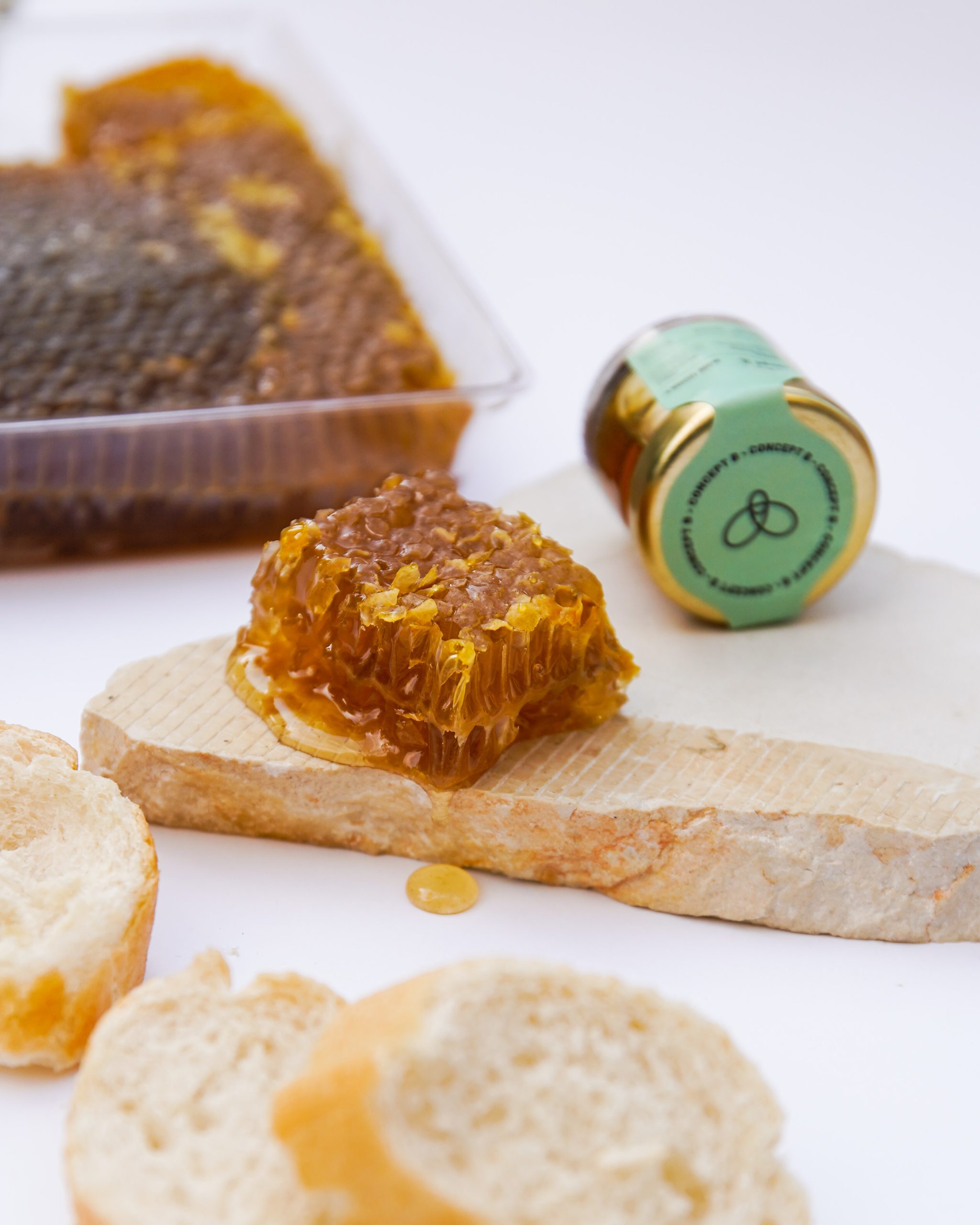
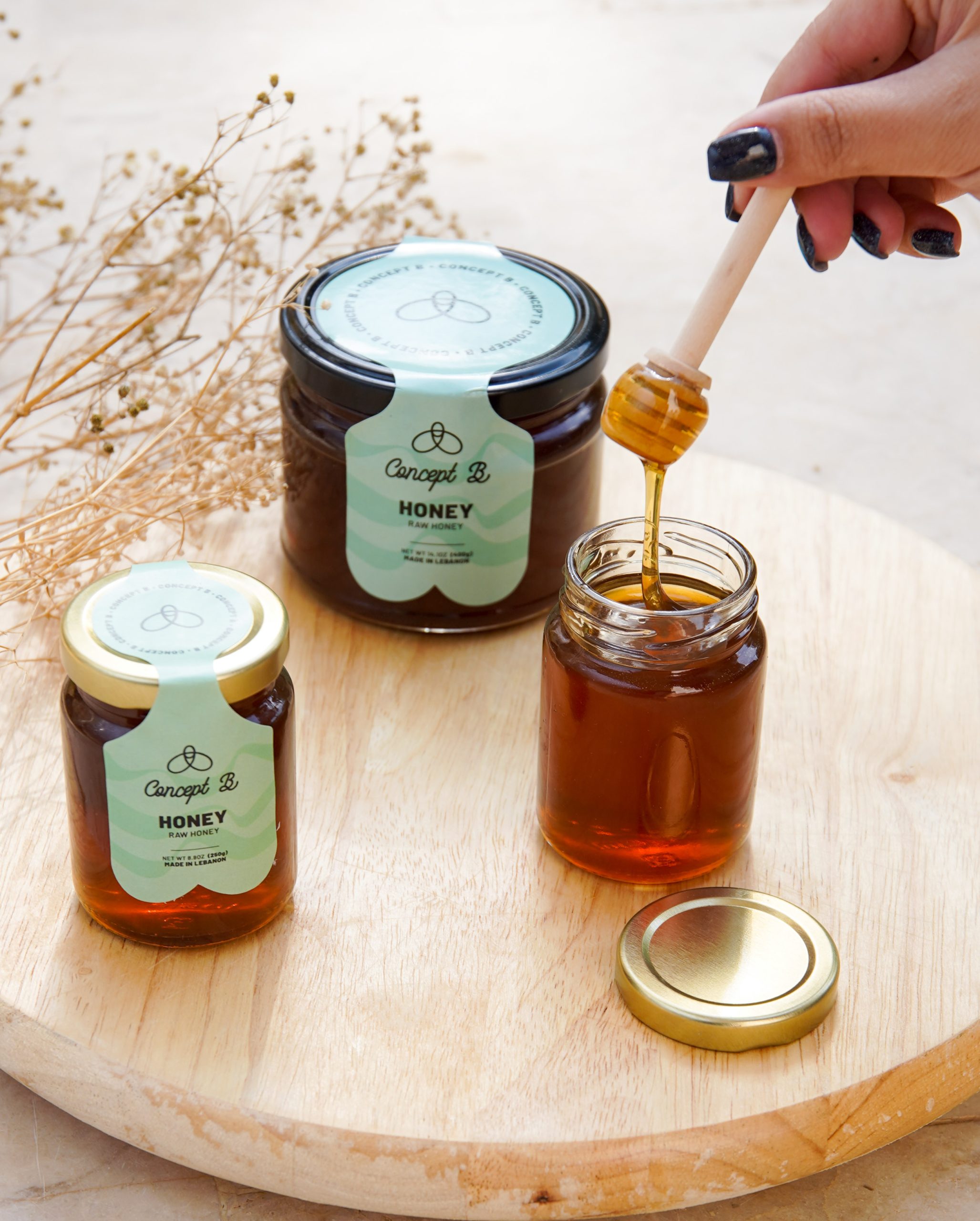
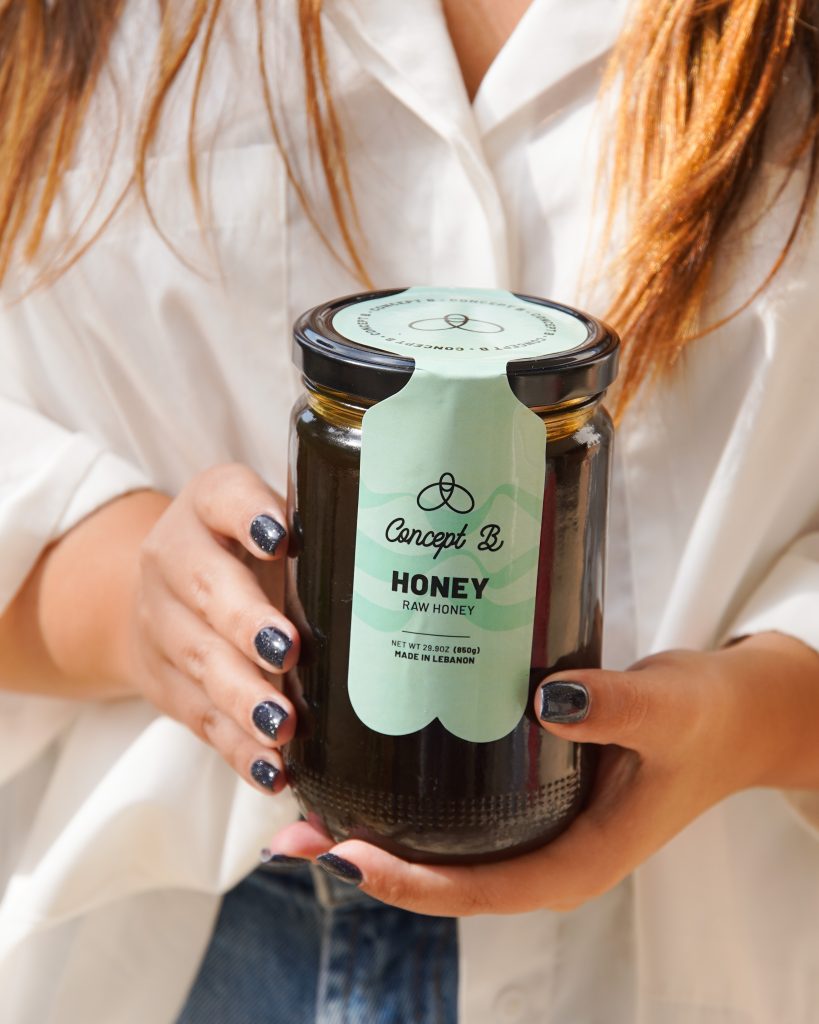
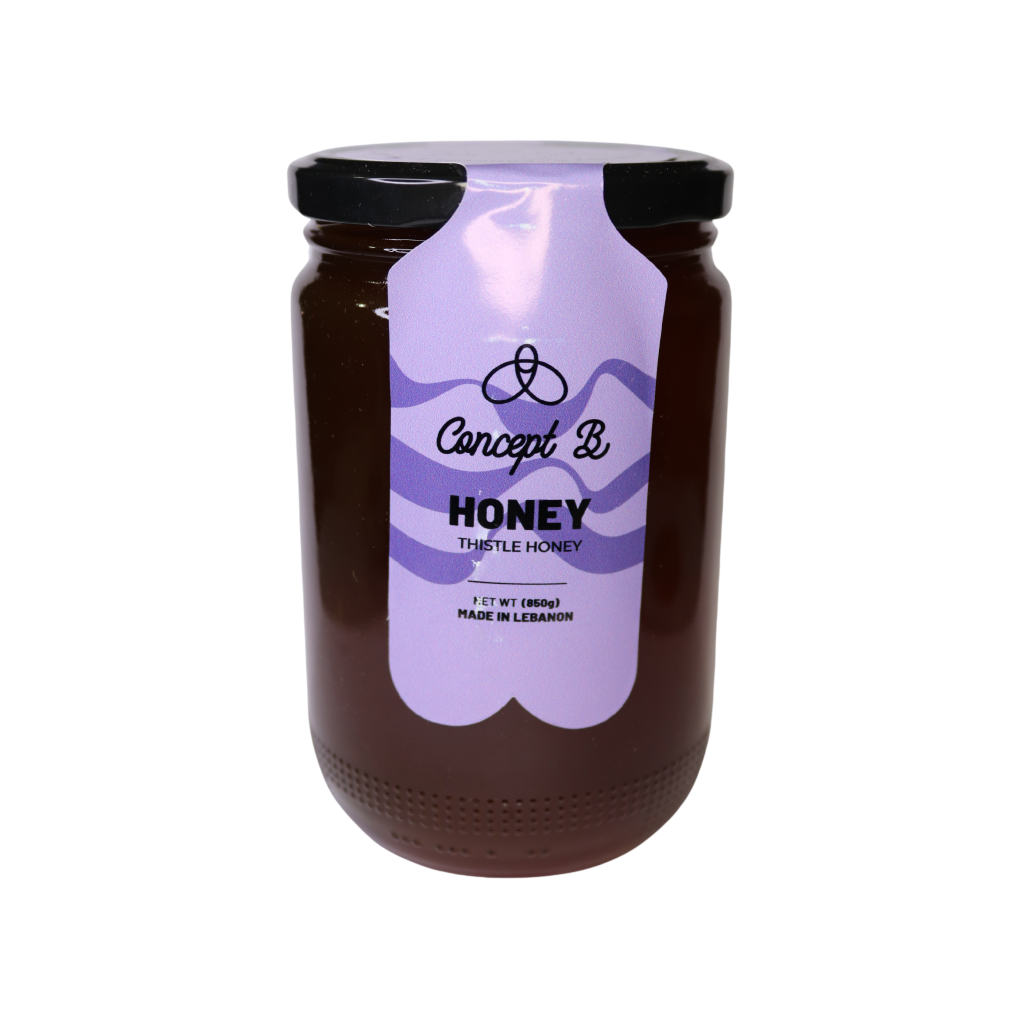
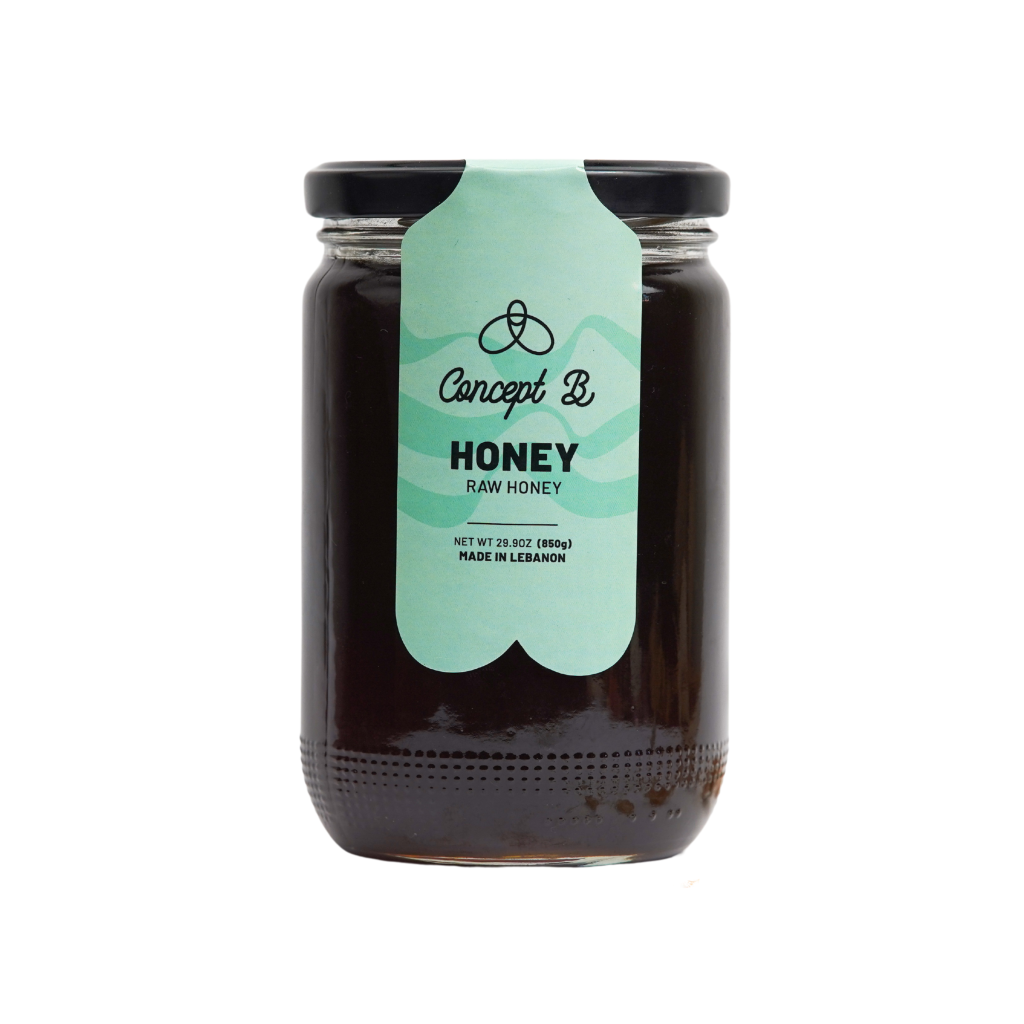
Honey that's never heated preserving its natural enzymes, pollen, and flavor.

Every batch is harvested, filtered, and tested for purity and authenticity.
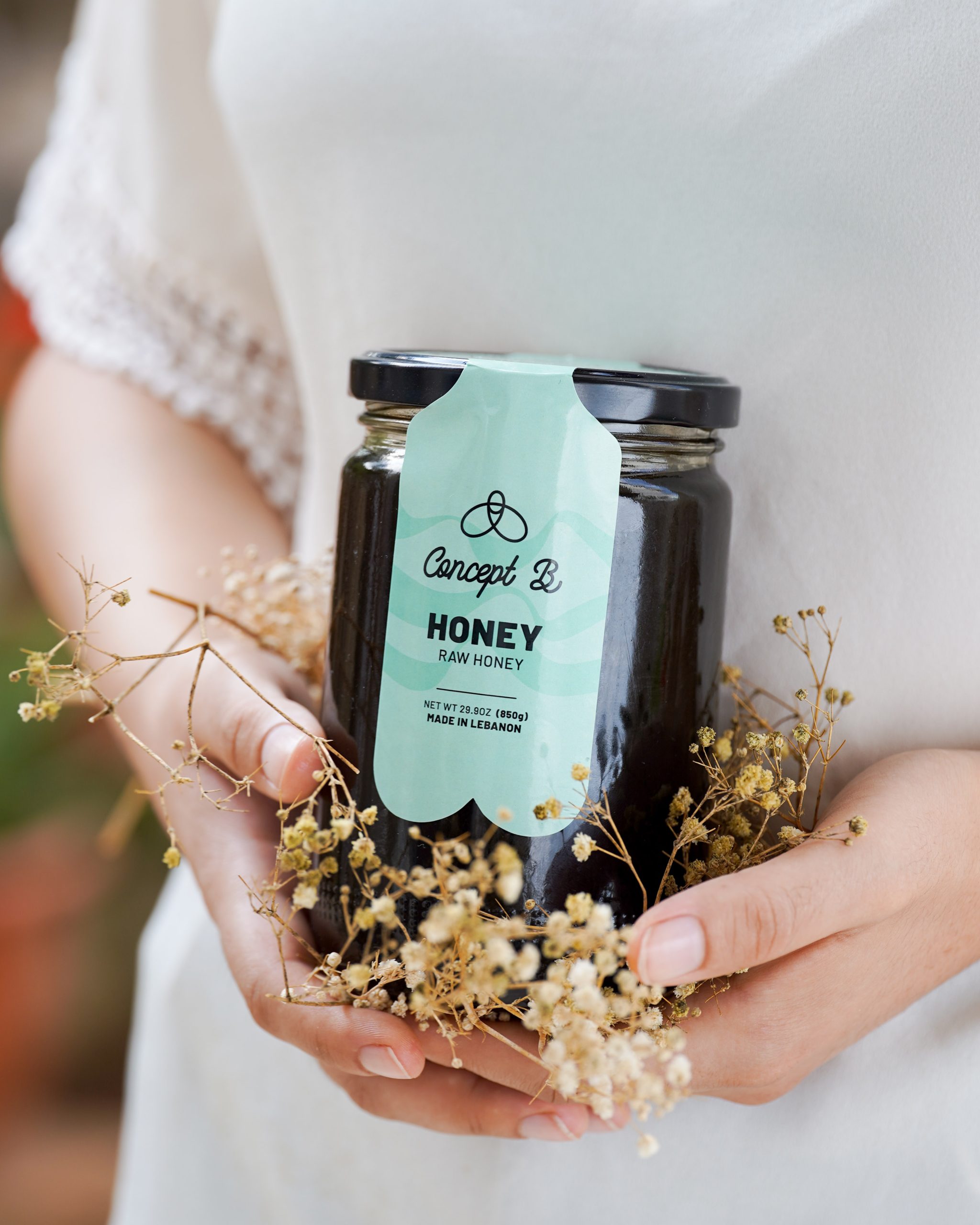
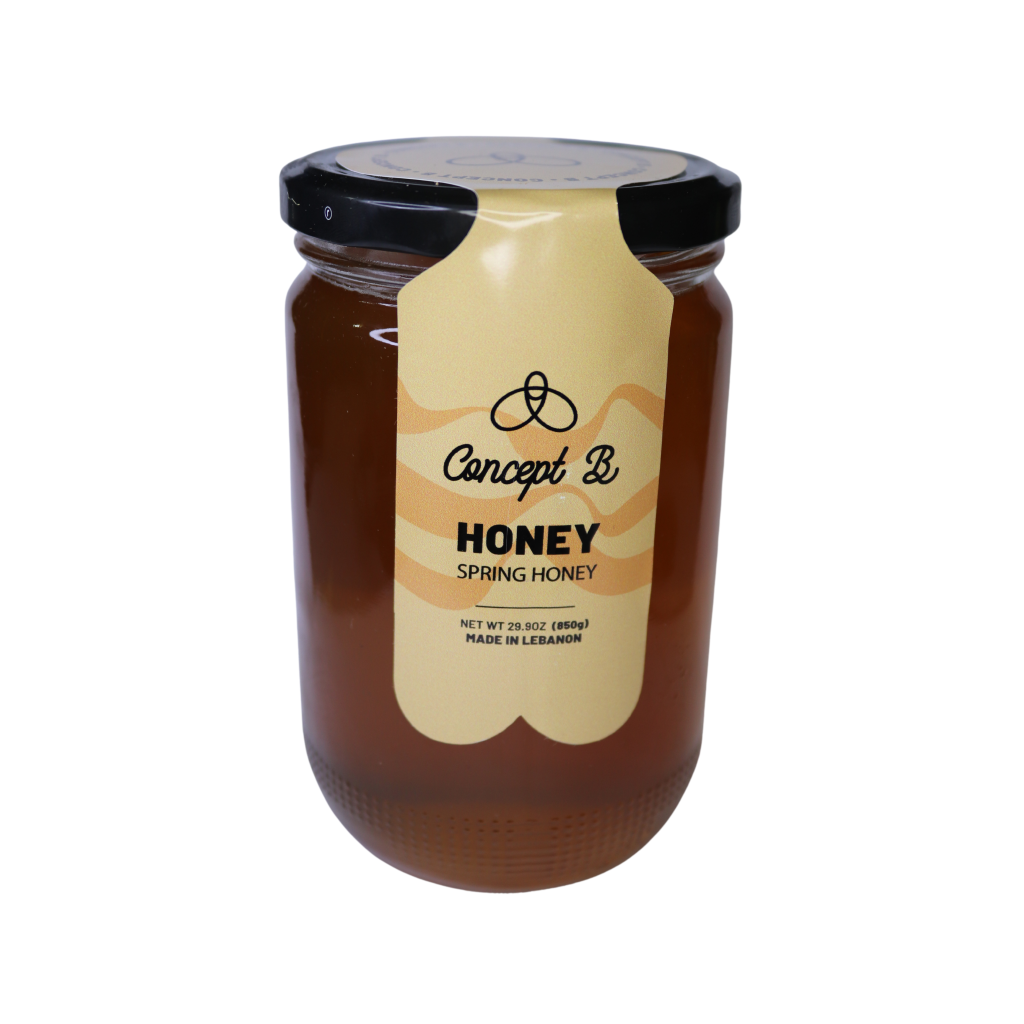
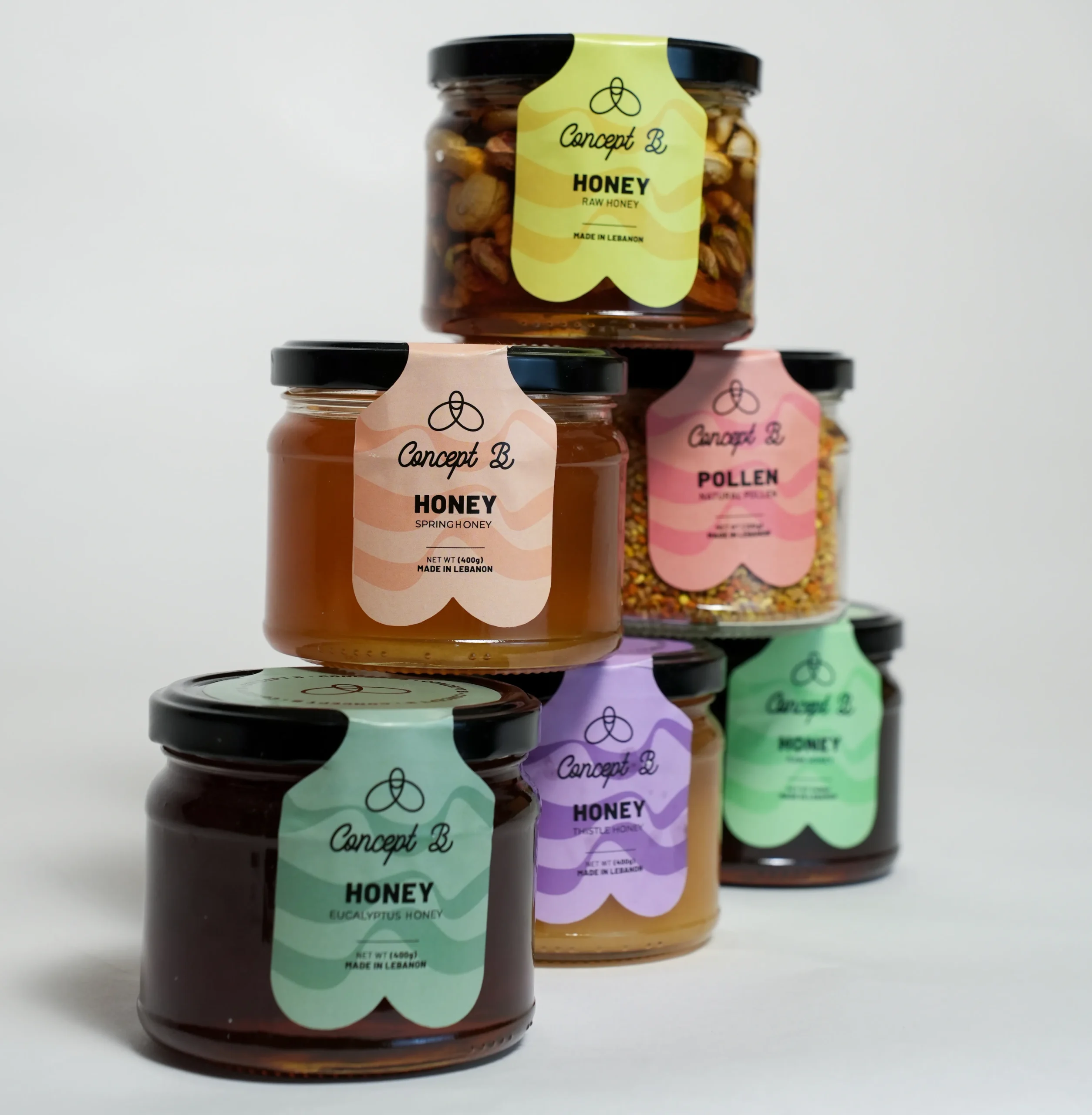
Concept B is a Lebanese honey brand focused on producing raw, unprocessed honey that reflects the natural diversity of Lebanon.
Our honey is produced by Apis mellifera bees and handled carefully to preserve its natural composition, including enzymes, pollen, and plant-derived compounds.
From the hills of Ain Saade to the mountains of Tannourine, each jar represents a specific terroir, shaped by flora, climate, and season.
Beekeeping plays a critical role in supporting biodiversity and pollination.
At Concept B, our approach focuses on:This ensures long-term sustainability for both bees and ecosystems.
Natural foraging, chemical-free zones, minimal processing.
Supporting local beekeepers, community awareness, pollinator education.
Transparency at every step, from the hive to your home.
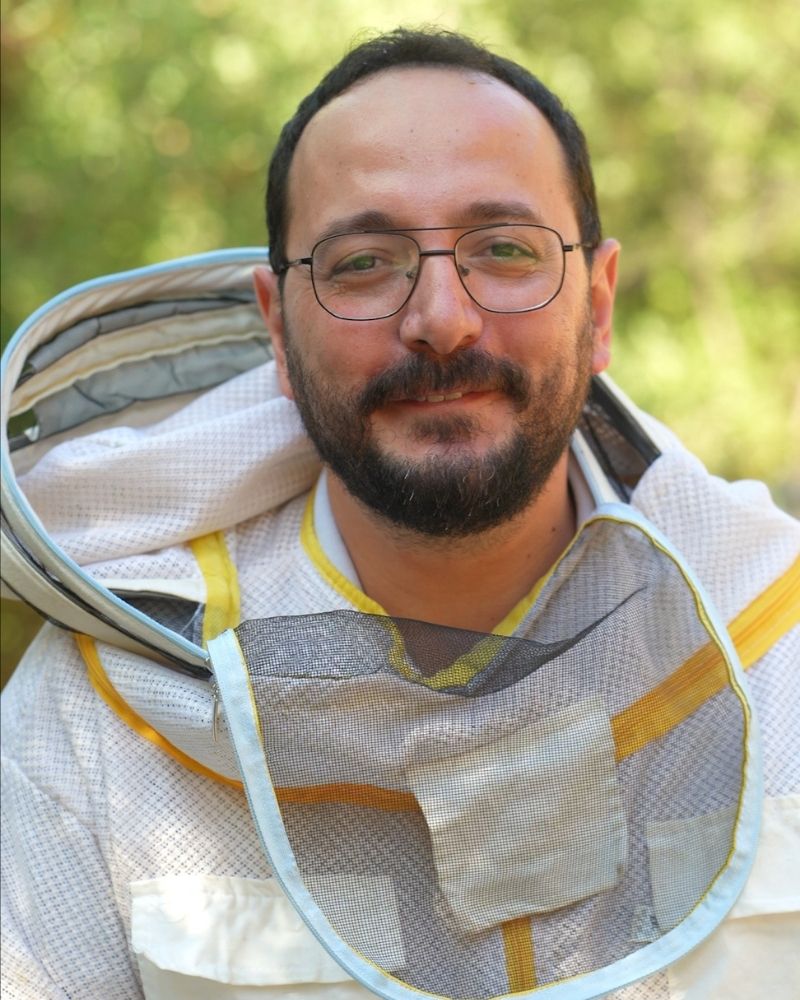
Cares for the bees, follows the seasons closely, and manages the honey harvest to help the colonies stay healthy and produce honey naturally.
Founder & Beekeeper
Oversees product quality and processing methods, ensuring honey remains raw and aligned with scientific standards.
Co-Founder, Biologist & Environmental Toxicologist


Bee pollen is a natural product made of flower pollen, nectar, and bee secretions, collected...

Honey terroir refers to how environmental factors (plants, climate, geography) influence the taste, color, and...
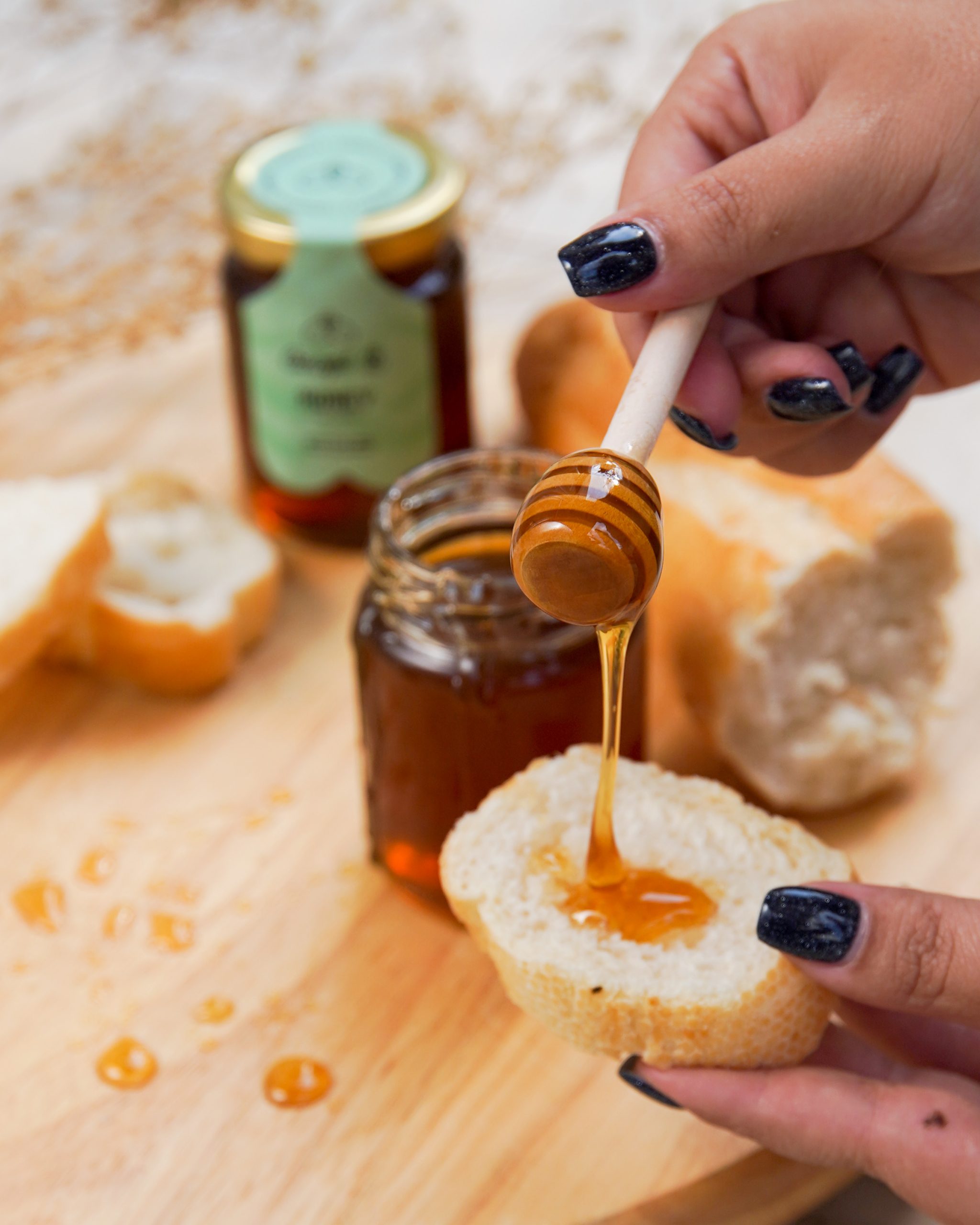
Pure honey contains no added sugars, no artificial ingredients, and no dilution — only what...
Raw honey has not been heated or heavily processed, retaining its natural enzymes, pollen, and flavor as produced by bees.
Yes, crystallized honey is completely safe and maintains its nutritional properties.
Our honey is produced by Apis mellifera, the most common honeybee species used in beekeeping worldwide.
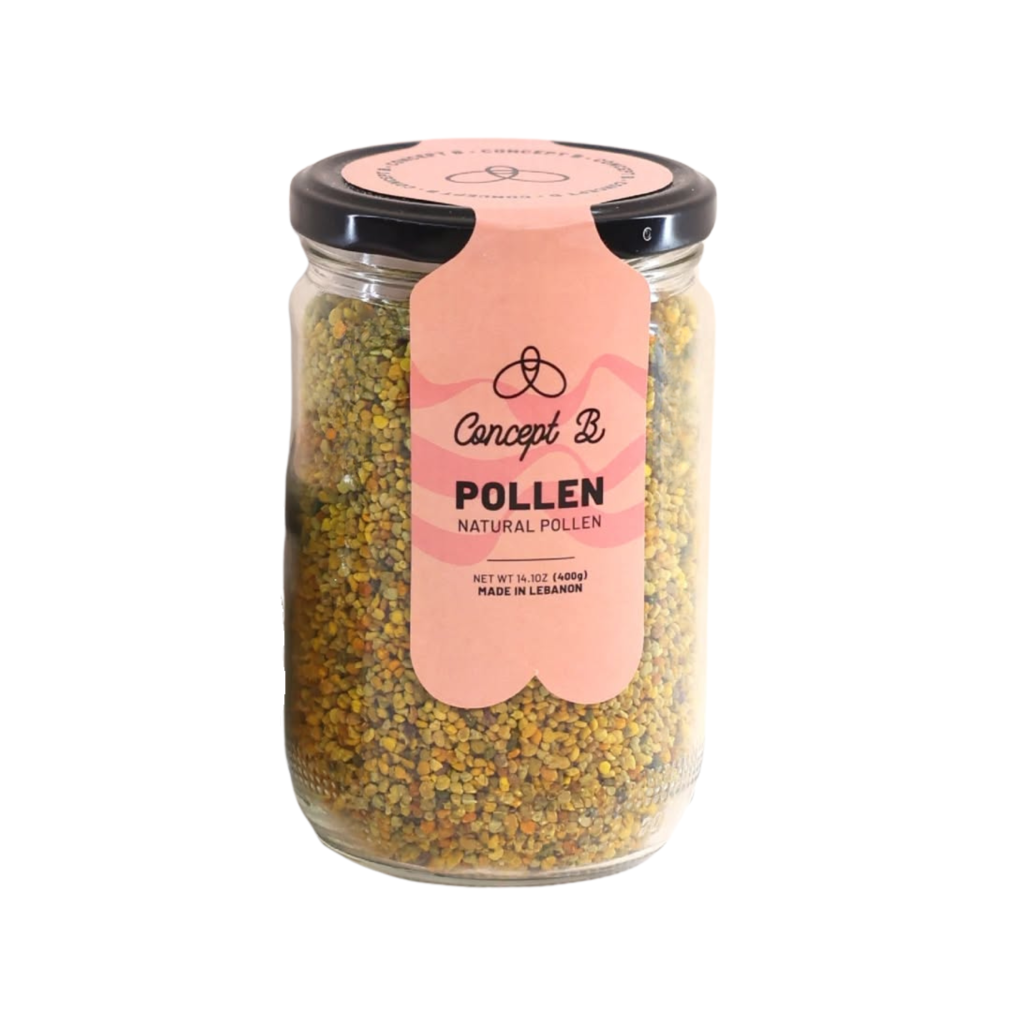
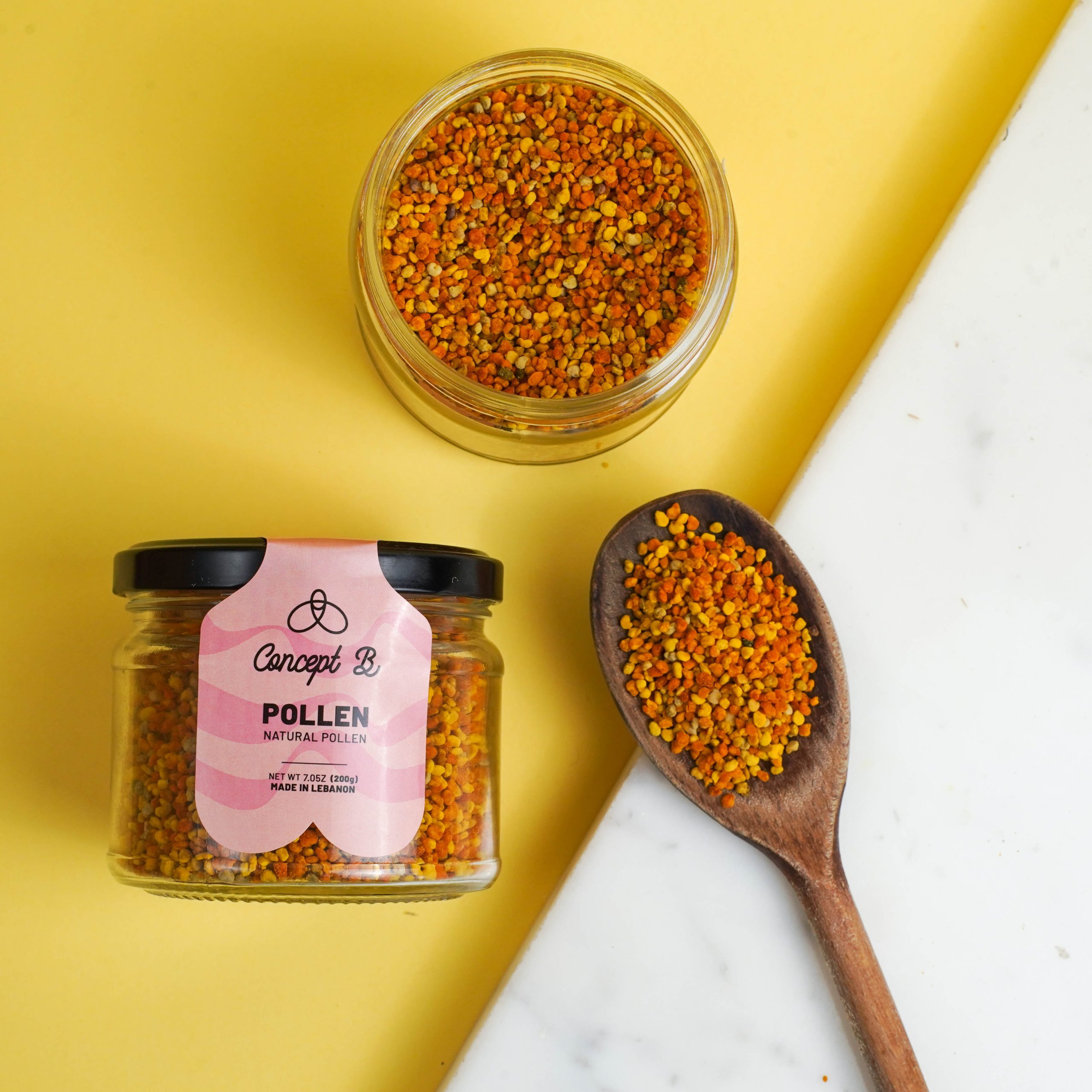
Bee pollen is a natural mixture of flower pollen, nectar, and bee enzymes collected by honeybees during pollination. Bees gather these tiny granules from flowering plants and bring them back to the hive as a natural food source.
Bee pollen naturally contains proteins, fibers, vitamins, minerals, and plant-based antioxidant compounds. Because it comes directly from flowers, its color, taste, and texture vary depending on the season and surrounding biodiversity.
At Concept B, our bee pollen is gently dried and minimally processed to preserve its natural characteristics.
Bee pollen has been consumed for generations as part of traditional diets around the world. Many people enjoy bee pollen for its naturally occurring nutrients and its connection to nature and biodiversity.
Bee pollen can be added to:
At Concept B, we believe bee pollen should be appreciated as a real food from nature — not as a miracle product.
Bee pollen is a natural food, but it may not be suitable for everyone.
People who are allergic to:
may experience allergic reactions.
If trying bee pollen for the first time, start with a very small amount.
Bee pollen is not recommended for:
If you have allergies or medical concerns, consult a healthcare professional before use.
Honeybees collect pollen from flowers and combine it with nectar and natural enzymes to form small granules. Beekeepers carefully collect a portion of these granules at the hive entrance using special pollen traps.
After collection, the pollen is gently dried under controlled conditions to preserve quality and freshness.
Bee pollen naturally changes in:
depending on the flowers visited by bees and the season of harvest.
These variations are a sign of natural biodiversity and seasonal harvesting — not industrial standardization or artificial additives.
No. Bee pollen is a natural food.
At Concept B, we do not market bee pollen as a medicine or make therapeutic claims. We focus on transparency, quality, biodiversity, and respectful beekeeping practices.
Bee pollen doesn’t have one official “perfect” dose for everyone. It depends on how people use it and their personal habits.
In scientific and traditional use, adults sometimes consume around 20–40 g per day , usually divided into smaller portions throughout the day. That’s roughly 3–5 teaspoons daily . Children generally consume smaller amounts.
But for most everyday consumers, bee pollen is often enjoyed in smaller quantities as part of a balanced lifestyle, sprinkled over yogurt, smoothies, oats, fruit, or mixed with honey.
At Concept B, our sachets are designed as a simple daily portion that makes bee pollen easy to enjoy without measuring or carrying large jars around.
If you’re trying bee pollen for the first time, it’s best to:
* start with a small amount
* see how your body reacts
* chew it well or mix it with moist foods like yogurt or warm water
Bee pollen has a natural outer shell, which is why many people prefer mixing it with yogurt, smoothies, warm water, or honey.
One important thing: People who are allergic to pollen, bees, or bee products should avoidbee pollen or speak with a healthcare professional first.
Bee pollen isn’t a magic cure. It’s a natural food collected by honeybees from flowers and enjoyed by many people as part of their everyday routine.
Raw honey has not been heated or heavily processed, retaining its natural enzymes, pollen, and flavor as produced by bees.
Yes, crystallized honey is completely safe and maintains its nutritional properties.
Our honey is produced by Apis mellifera, the most common honeybee species used in beekeeping worldwide.
Bee pollen is a natural mixture of flower pollen, nectar, and bee enzymes collected by honeybees during pollination. Bees gather these tiny granules from flowering plants and bring them back to the hive as a natural food source.
Bee pollen naturally contains proteins, fibers, vitamins, minerals, and plant-based antioxidant compounds. Because it comes directly from flowers, its color, taste, and texture vary depending on the season and surrounding biodiversity.
At Concept B, our bee pollen is gently dried and minimally processed to preserve its natural characteristics.
Bee pollen has been consumed for generations as part of traditional diets around the world. Many people enjoy bee pollen for its naturally occurring nutrients and its connection to nature and biodiversity.
Bee pollen can be added to:
At Concept B, we believe bee pollen should be appreciated as a real food from nature — not as a miracle product.
Bee pollen is a natural food, but it may not be suitable for everyone.
People who are allergic to:
may experience allergic reactions.
If trying bee pollen for the first time, start with a very small amount.
Bee pollen is not recommended for:
If you have allergies or medical concerns, consult a healthcare professional before use.
Honeybees collect pollen from flowers and combine it with nectar and natural enzymes to form small granules. Beekeepers carefully collect a portion of these granules at the hive entrance using special pollen traps.
After collection, the pollen is gently dried under controlled conditions to preserve quality and freshness.
Bee pollen naturally changes in:
depending on the flowers visited by bees and the season of harvest.
These variations are a sign of natural biodiversity and seasonal harvesting — not industrial standardization or artificial additives.
No. Bee pollen is a natural food.
At Concept B, we do not market bee pollen as a medicine or make therapeutic claims. We focus on transparency, quality, biodiversity, and respectful beekeeping practices.
Bee pollen doesn’t have one official “perfect” dose for everyone. It depends on how people use it and their personal habits.
In scientific and traditional use, adults sometimes consume around 20–40 g per day , usually divided into smaller portions throughout the day. That’s roughly 3–5 teaspoons daily . Children generally consume smaller amounts.
But for most everyday consumers, bee pollen is often enjoyed in smaller quantities as part of a balanced lifestyle, sprinkled over yogurt, smoothies, oats, fruit, or mixed with honey.
At Concept B, our sachets are designed as a simple daily portion that makes bee pollen easy to enjoy without measuring or carrying large jars around.
If you’re trying bee pollen for the first time, it’s best to:
* start with a small amount
* see how your body reacts
* chew it well or mix it with moist foods like yogurt or warm water
Bee pollen has a natural outer shell, which is why many people prefer mixing it with yogurt, smoothies, warm water, or honey.
One important thing: People who are allergic to pollen, bees, or bee products should avoidbee pollen or speak with a healthcare professional first.
Bee pollen isn’t a magic cure. It’s a natural food collected by honeybees from flowers and enjoyed by many people as part of their everyday routine.
We combine modern extraction, controlled storage, and traceability practices to preserve the natural enzymes, antioxidants, and nutritional value of our honey and bee products. From hive to jar, every step is carefully monitored to ensure purity, safety, and consistency without compromising nature.
Our honey is raw, unheated, and responsibly harvested from carefully selected Lebanese regions rich in biodiversity. Each batch is tested, handled with care, and packaged to protect freshness, flavor, and nutritional integrity, so you experience honey as nature intended